Biogas Solutions for Sustainable Agriculture
Biogas Nusantara supports the agricultural sector through technological solutions that integrate renewable energy with the management of organic resources. Suitable agricultural waste, such as vegetable scraps, crop residues, and livestock manure, can be processed through an anaerobic process to produce biogas as an alternative energy source for agricultural activities.
In addition to generating energy, the biogas processing produces a residue—or bioslurry—that can potentially be used as organic fertilizer or a soil conditioner after its quality and suitability have been evaluated. This approach opens opportunities to link agricultural waste management with energy utilization and the maintenance of soil fertility.
Biogas Nusantara offers technological solutions tailored to the type and availability of feedstock, the scale of agricultural operations, energy needs, and local conditions. Through the integration of renewable energy and organic waste management, we support agriculture that is more efficient in utilizing resources and focused on sustainability.
Biogas Nusantara supports the implementation of biogas technology in agricultural activities that utilize organic feedstock suitable for anaerobic digestion. The system is designed with consideration for the type and volume of feedstock, energy requirements, processing capacity, and land conditions.
The biogas produced can potentially be used for cooking, water heating, or other energy applications consistent with production capacity and equipment specifications. Technology selection is based on the characteristics of the agricultural operation and the results of technical evaluations.
Proper management of organic waste can open up opportunities for the reuse of resources available in agricultural settings. Through anaerobic processes, suitable organic materials can be converted into biogas, while the residue has the potential to be utilized as bioslurry.
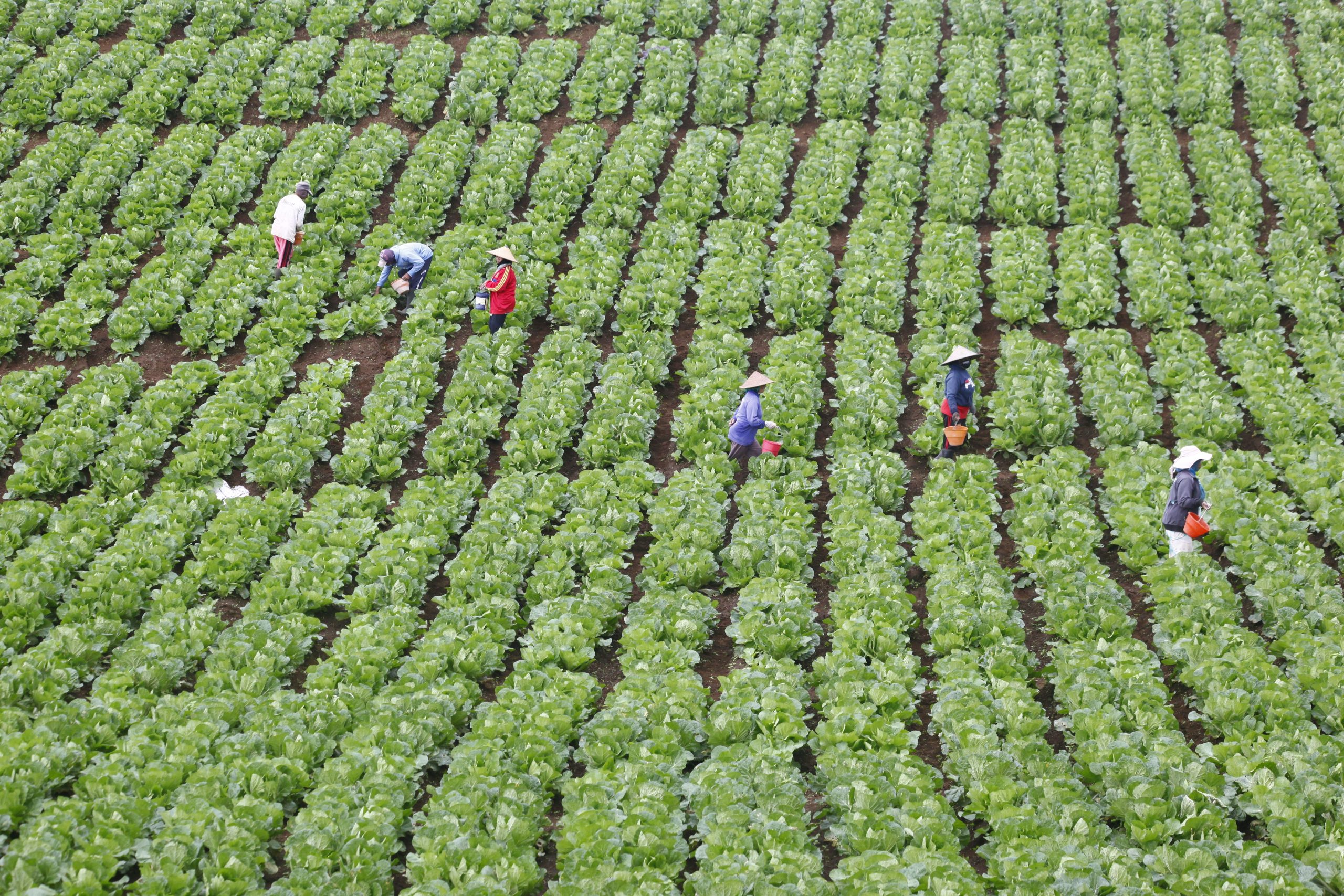
Before being applied to vegetable crops or other agricultural commodities, bioslurry must be evaluated based on quality, application rate, crop type, and soil conditions. This approach helps integrate waste management with more responsible agricultural practices.
Biogas Nusantara supports farmers and agricultural business operators in identifying technological solutions tailored to their on-site needs. Factors taken into consideration include the availability of organic feedstock, biogas production potential, energy requirements, equipment selection, and opportunities for bioslurry utilization.
Each solution is tailored to local conditions and assessed for both technical and economic feasibility. With this approach, biogas technology can be considered as part of a strategy for resource management and the development of sustainable agricultural enterprises.